
CoolSleep: Countering the Effects of Summer Heat on Sleep in Social Housing Tenants in France
Paquito Bernard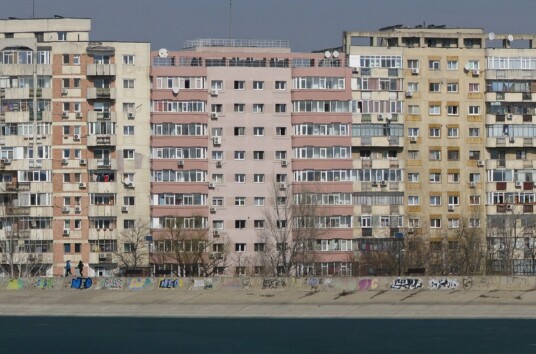
Context
Since 1900, 8 of the 10 hottest years on record have occurred after 2000, including 4 after 2015. During the summer of 2019, a significant number of French cities exceeded the previous national temperature record of 44.1°C set in 2003. In the coming decades, nighttime warming will intensify across France. Furthermore, the frequency and intensity of heatwaves are expected to increase throughout France over this century, with urban heat islands amplifying the effects of hot days, tropical nights, and heatwaves in cities.
One of the pathways through which extreme heat directly impacts health is sleep disruption. Higher outdoor or indoor temperatures are associated with a deterioration in sleep quality and quantity. This is a particularly critical public health concern, as shorter sleep duration, poor sleep quality, and sleep disorders are prospectively associated with an increased risk of developing cardiovascular and metabolic diseases, cancer, mental health disorders, and accidents.
The French Ministry of Health, planetary health experts, and sleep science societies are raising the alarm about the urgent need for interventions that can break the link between increased heat exposure and sleep disruption.
Objectives
Our overarching goal is to co-develop and test the effect of an in-home heat management intervention to protect the sleep of tenants living in heat-vulnerable social housing.
- Identify current heat and sleep management behaviors among social housing tenants in their homes
- Identify environmental/structural, behavioral, and psychological barriers and facilitators to better heat and sleep management in summer
- Co-develop the CoolSleep intervention, incorporating cooling materials and behavior change techniques
Methods
Semi-structured interviews will be conducted with 60 adults living in social housing that is particularly vulnerable to heat (across several sites in France: Brittany, Occitania, Île-de-France, and Auvergne-Rhône-Alpes), in order to understand their past cooling and sleep behaviors. The interviews will address participants’ previous experiences regarding barriers and facilitators — environmental, behavioral, and psychological — influencing their thermal comfort and sleep.
Particular care will be taken to ensure geographic diversity (rural, peri-urban, and urban settings), diversity of housing types (houses and apartments), and age diversity among tenants.
Semi-structured interviews will also be conducted with 10 building caretakers working in social housing that is particularly vulnerable to heat, in order to understand their role in raising awareness among tenants and the actions they take in managing building heat as part of their duties.
Co-design workshops will be organized to identify possible options for the future intervention, drawing on the Behavior Change Wheel model and incorporating thermoregulation behaviors recommended by Santé publique France. A “cooling kit” will be presented to participants, including items such as a standing fan, a cooling pillow and headband, reflective window film, and a high thermal conductivity mattress topper. Participants will select the most acceptable and best-suited elements.
A pilot study will be carried out to test the acceptability and feasibility of the co-developed intervention. Subsequently, a cluster clinical trial will be deployed to test the effects of the intervention on sleep parameters and mental health under real-world conditions.
Perspectives
The CoolSleep research project will ultimately provide an adapted, customizable, and remotely deployable intervention that can be scaled broadly. The intervention could be implemented nationwide during summer months in housing that has not yet undergone thermal retrofitting.
The initial phases of the study, named CoolSleep, are funded by the Fondation Hospitalière pour la Recherche sur la Précarité et l’Exclusion Sociale and funds associated with the Junior Professor Chair of P. Bernard.